Safety and Longevity: Are Forged Wheels Worth the Investment?
You are cruising down the highway, music low, and you feel a sharp jolt as your front right wheel finds a pothole you couldn't swerve around. Your heart jumps. That sickening thud-crack is a sound no driver wants to hear. For many, that sound means a broken wheel and a costly, dangerous situation.
But what if your wheels were built to handle that impact?
That's the real question we're tackling today. Are forged wheels merely an empty showboat of status, or are they a serious investment in your safety and your automobile's future? Now leave the sensationalism, and consider the facts of metallurgy and mechanics. By the end of this, you'll know exactly what you're paying for.
The Building Blocks: Forged vs. Cast Explained Simply
First, you need to understand the fundamental difference. It's not about looks. It's about how the aluminum is formed.
Think of it like baking bread.
Cast wheels are like pancake batter. You pour liquid metal into a mold. It's a simple process. It works. But when it cools, the molecular structure can have tiny air pockets or weak spots. It's less consistent.
Forged wheels are like a pretzel. You start with a solid, dense block of aerospace-grade 6061-T6 aluminum. Then you apply immense pressure, thousands of tons of it, squeezing and pounding it into the basic wheel shape. This process compacts the aluminum, aligning its grain structure and making it incredibly dense and strong.
That initial strength is just the beginning.
The Safety Payoff: Why Forged Wheels Protect You
This is the part that matters most. It's not just about the wheel surviving a pothole. It's about how it behaves in an emergency.
A forged wheel's strength means it's far more likely to bend, not shatter, under extreme stress. A cracked cast wheel can fail catastrophically and instantly. A forged wheel will often deform, giving you a fighting chance to maintain control and pull over safely. It's the difference between a controlled emergency and a disastrous one. Plus, that strength comes with less weight.
Lighter wheels are safer wheels. Here's why:
Your car's suspension works better.
Braking distances can improve.
Handling becomes sharper and more responsive.
The unsprung weight, everything not held up by the springs, like wheels and tires, is critical. Reduce it, and your car can react faster to bumps and corners. The tire stays planted on the road. That's a direct safety benefit you can feel every time you drive.
The Longevity Game: Pay Once, Ride for Decades
Let's talk money. The upfront cost of a forged wheel is significant. But you need to look at the total cost of ownership. A quality forged wheel isn't just for one car. It's for a lifetime of driving.
The material and the process are so robust that these wheels can often be refurbished again and again. A decade from now, after years of road use, you can send them back to a specialist. They can be repaired, refinished, and made to look brand new. Good luck doing that with a cracked cast wheel. It's headed for the scrap heap.
You're not buying a consumable product. You're buying a permanent asset for your vehicle.
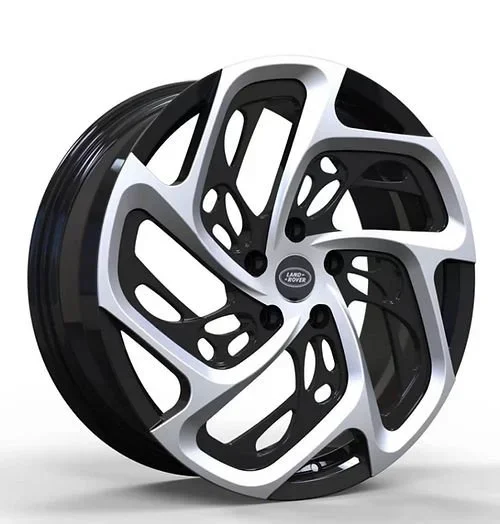
The Real World Verdict: When Are They Truly Worth It?
So, is the investment right for you? Let's break it down.
You should seriously consider forged wheels if:
You drive on poorly maintained roads riddled with potholes.
You own a high-performance vehicle where every ounce of handling matters.
You plan on keeping your car for many years and want a "buy it for life" component.
You view your vehicle as a long-term project and value the ability to customize and refinish your wheels over time.
If you lease your car or drive exclusively on smooth, perfect highways, the value proposition changes. But for everyone else, the math starts to make a lot of sense.
The Final Word: An Investment in Peace of Mind
At the end of the day, the value of forged wheels boils down to one word: confidence.
· Confidence when you hit that unseen pothole.
· Confidence when you push your car through a tight corner.
· Confidence that your investment will last far longer than a set of factory wheels.
It's not just an upgrade. It's an insurance policy engineered from a solid block of aluminum.
Ready to stop worrying about the road ahead and start enjoying the drive? It might be time to see what a true forged wheel can do for you. What's the one pothole story that made you think about upgrading your wheels?
Prestige Forged was built on this principle. That safety and longevity aren't luxuries. They are the entire point.