Custom Wheel Fitment Guide: How to Choose Diameter, Offset & Width
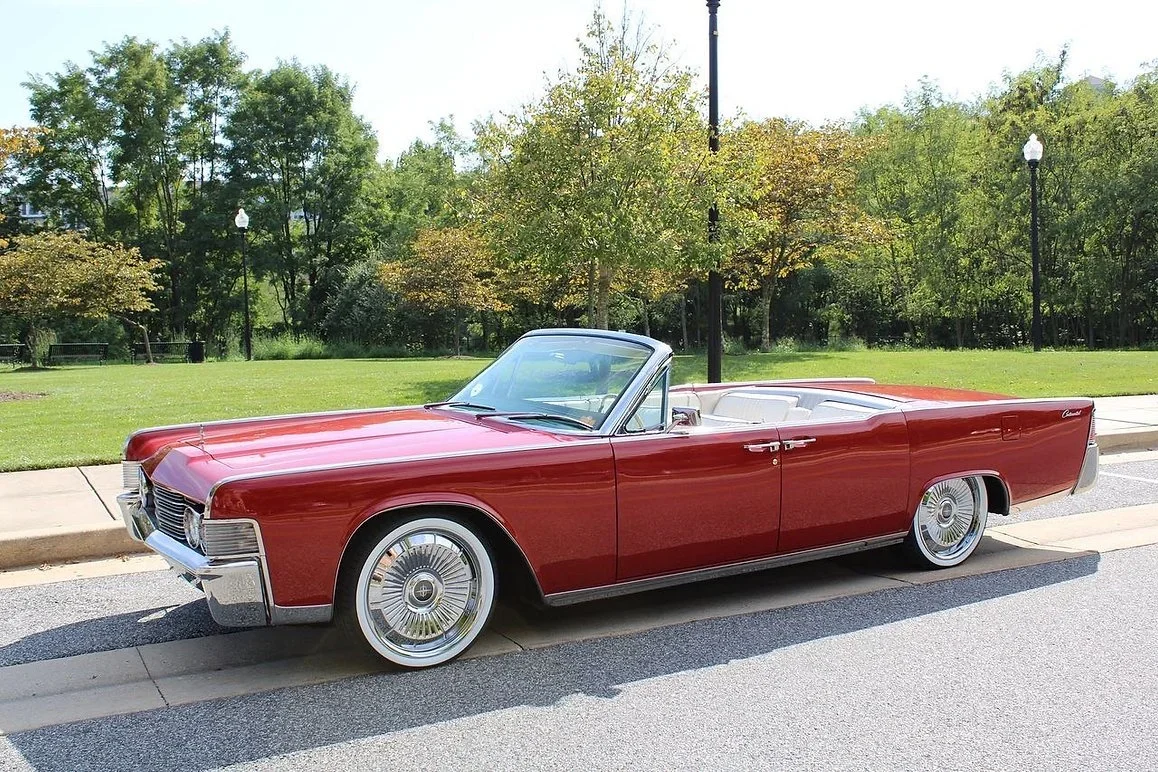
You finally found the perfect set of wheels for your car. The design is just right. The finish is incredible. You pull the trigger, wait weeks for them to arrive, and then they don't fit. They rub against the fender with every turn, or maybe they get stuck against the brake caliper. It's a nightmare, and it's an expensive one.
This happens more than you think. The truth is, buying wheels isn't just about looks. It's a technical puzzle. Getting it wrong hurts your car's performance and your wallet.
This guide will break down the three big pieces of that puzzle: diameter, width, and the one everyone finds confusing, offset. By the end, you'll know exactly how to talk to your wheel specialist and choose a setup that fits perfectly and performs even better.
The Big Three: What They Actually Mean
Think of your wheel's fitment like a custom suit. It needs the right length, the right chest size, and it has to sit on your shoulders correctly. Diameter, width, and offset are the measurements for that perfect suit.
Diameter: More Than Just Looks
Diameter is the wheel's height, measured in inches. Bigger wheels can look great, but there's a performance trade-off.
The Upside: They can fit larger, more performance-focused brakes. They often improve handling response.
The Downside: Heavy wheels can make your ride feel harsher. They can also slow down your acceleration. It's like a gymnast trying to do a floor routine with heavy boots on. The sweet spot is usually going up one or two inches from your factory size.
Width: Your Tire's Best Friend
Width is how wide the wheel is from lip to lip, also in inches. This one is all about your tire's contact patch.
Narrow Wheels: Pinch the tire. This can make it feel squirmy and less stable.
Wide Wheels: Stretch the tire out. This creates a bigger, flatter contact patch for better grip in corners.
But go too wide, and the tire can stick out past the fender. Not good.
Offset: The Secret to a Perfect Stance
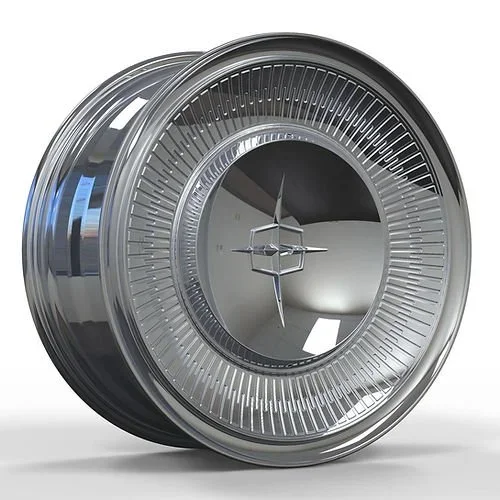
This is the magic number. Offset tells you where the wheel actually mounts to the hub in relation to its centerline.
We measure it in millimeters. It can be positive, negative, or zero.
Positive Offset: The mounting surface is closer to the front face of the wheel. The wheel tucks in deeply. Most modern cars come with a positive offset.
Negative Offset: The mounting surface is closer to the back of the wheel. This makes the wheel push outwards, creating that "hellaflush" look.
Zero Offset: The mounting surface is dead center.
Change the offset, and you change the entire geometry of how the wheel sits. Get it wrong, and you get rubbing, steering issues, or premature bearing wear.
How to Get Your Fitment Right the First Time
You don't need to be an engineer. You just need a method.
1. Start with Your Goals.
Are you building a slammed show car? A track monster? Or just a clean daily driver with a better look? Your goal dictates your choices. A track car needs functional fitment. A show car might push the limits.
2. Know Your Car's Specs.
You need your factory wheel diameter, width, and offset to start. This is your baseline. This information is in your owner's manual or easily found online in owner forums.
3. The "Test Fit" is Your Best Friend.
Any reputable wheel company will insist on a test fit before your wheels go into production. At Prestige Forged, we build this into our process. We don't just guess. We mount a prototype wheel to your actual vehicle. We check for clearance at every angle, on full lock, and over bumps. This is the only way to be 100% sure.
Your Quick-Check List Before You Buy
Before you spend a single dollar, run through this list.
Clearance: Will it clear my brakes and suspension?
Rubbing: Will the tire rub the fender liner or fender itself when I turn or hit a bump?
Laws: Is this setup even legal where I live? Some states have strict rules on how far tires can stick out.
Performance: Will this improve my car's handling, or just make it look good?
The biggest mistake we see is people buying wheels based on looks alone. They see a wheel they like on a different car and assume it will work on theirs. It's a gamble you don't want to take.
Stop Guessing, Start Designing
Choosing the right diameter, width, and offset is the difference between a modification that enhances your car and one that causes headaches. It's the foundation of everything. It affects safety, performance, and, of course, style.
You don't have to figure it out alone. This is where true custom wheel design shines. Instead of trying to make an off-the-shelf option kind of work, you can build a wheel that is precisely engineered for your vehicle and your vision.
Ready to move beyond the guesswork? Let's build a set of wheels that fits perfectly from the start. Tell us about your build at Prestige Forged, and let's get it right, together.