Why Forged Wheels Are a Worthwhile Investment for Vintage Car Collectors
Owning a vintage car is more than just a hobby. It is, honestly, a little obsession. Every curve, every tiny detail, tells a story. But, at some point, you start thinking beyond looks. You think about handling, safety, and even long-term durability.
That is where forged wheels come in. Not just a style upgrade, they can entirely change how your car drives and performs.
And yes, for collectors, they are completely worth the investment.
What Makes Forged Wheels Different
Forged wheels are not your everyday wheels. They start as a solid block of high-grade aluminum. The metal is compressed and shaped under huge pressure, aligning the grain structure. What that means is stronger wheels, lighter than cast ones, and built to last.
For a vintage car, this benefit is huge. Old cars weren’t designed with modern performance in mind. Even if your car mostly sits in shows, forged wheels make sure it handles properly when it is driven. You get safety, precision, and style all in one.
Key Benefits
· Durability The cast wheels were weaker than the wheels.
· Lightening, beneficial to suspension and ride quality.
· Slimmer spokes, and difficult not to lose strength.
· Increased cornering and braking ability.
Why Collectors Keep Coming Back to Forged Wheels
Collectors are picky. They do not just want something that looks nice. They want a statement, something that protects their investment. Forged wheels do that. They retain the old-school feel but provide contemporary performance features.
Many restoration projects or mods rely on forged wheels. Why? They handle upgraded brakes, tires, and suspension changes. Your car can run better without looking out of place. And that balance between old and new is priceless.
Real-World Advantages
v A perfect fit to avoid rubbing or clearance problems
v Flexible offsets and widths for unique builds
v Easier repairs compared to one-piece alternatives
v Enhances both aesthetics and driving function
v Maintains value and collector appeal
Balancing Style with Performance
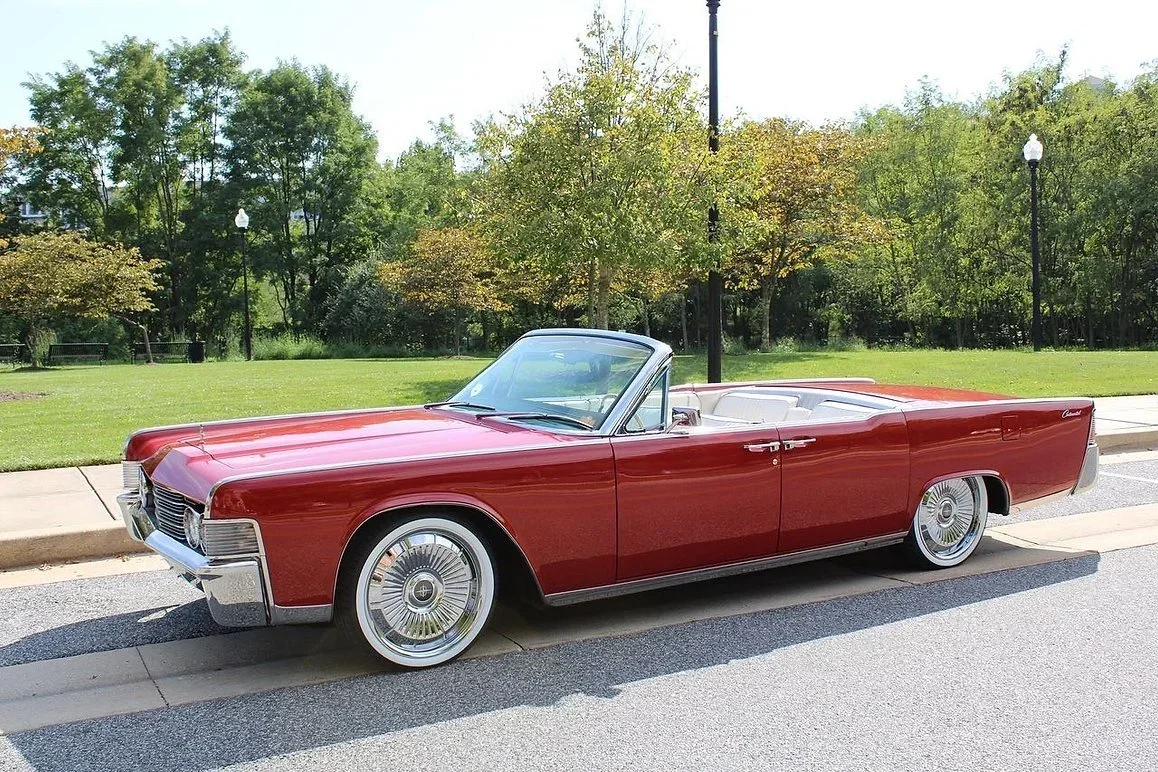
Here is the thing. Many collectors worry about keeping the car authentic. Forged wheels help with that. You can replicate the period-correct design but still get modern strength. So the car looks the way it should, but it drives and handles way better than it did originally.
This combination of style and performance is precisely why they are considered a smart investment. It is not simply a matter of possessing something shiny. It is concerned with future-proofing the car, ensuring its safety, reliability, and pleasure to drive.
How to Make the Right Choice
There is a little thought in investing in forged wheels. All the wheels do not fit all the cars, and not all options are appropriate to what you desire.
Quick Checklist for Collectors
· Check fitment with brakes, suspension, and tires.
· Choose material that balances weight and strength.
· Consider repairability for long term use.
· Decide between one-piece or two-piece wheels based on customization
· Make sure the design fits the car’s vintage look.
Conclusion
Counterfeit wheels are not a mere aesthetic enhancement. They are concerning power, competence, and safeguarding your investment. To the vintage car enthusiasts, they have the advantage of providing perfect handling, flexibility in repairing, and aesthetic perfection.
By now upgrading your car with forged wheels will not only make it look unbelievable, but also it will be able to operate safely and reliably in the following years.
To those collectors who are willing to take the next step by upgrading their vintage cars, Prestige Forged wheels are available to assist you in your designs and bring them to life. Are you willing to make your vintage car drive as beautifully as it appears?
Read More
Comparing One-Piece vs 2-Piece Forged Wheels: What's Best for Your Ride?