Restoring Classic Cars: When to Upgrade to Custom Forged Wheels
The process of restoring a vintage motor vehicle is a hobby of affection. Every panel, every engine component, every detail tells a story. But somewhere along the way, you realize the wheels are not just holding the car up; they define how it moves, handles, and even feels.
Adjustment of forged wheels to custom is not just a matter of looking good. It influences the performance, the handling, and the entire driving process.
Here, we analyze when and why you might want to switch to custom forged wheels during restoration.
Understanding the Role of Wheels in Classic Car Restoration
Wheels are more than metal circles. They affect suspension response, braking, and even how smoothly the car rides. Many classic cars come with old or stock wheels that just cannot keep up with modern upgrades.
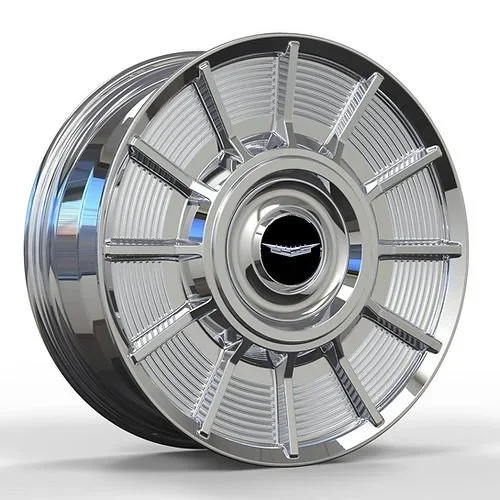
Forged wheels give you the vintage look but with modern engineering benefits. Thinner spokes, less weight, and better handling and it all adds up without messing with the car’s classic charm.
Why Upgrading Matters
· Improved management and stability.
· Installed compatibility with modern tires and brakes.
· Greater ride quality and better suspension feedback.
· Long-lasting and wear-resistant wheels.
· Retaining the old fashion but with improved performance.
A Tradeoff between Appearance and Results
This is the tricky part. You want the car to look authentic but drive like it has modern reliability. Custom forged wheels make such an outcome possible. They can match the original style of your classic car but are built from high-grade forged aluminum. That means strong, lightweight wheels that handle corners and bumps without compromising on style. It is a balance of craftsmanship and engineering, really.
Signs: You Might Need New Wheels
Sometimes it is obvious. Perhaps the car shakes over the turns, or the tires are lodged on rustic rims. Maybe you notice cracks, rust, or fatigue. And if you are upgrading brakes, suspension, or engine, the stock wheels may not fit anymore. Forged wheels are designed to handle all that. They give you peace of mind, performance, and still look excellent.
Quick Checklist
· Instability or wobbling during turns
· Tires that do not fit properly
· Visible cracks or corrosion
· Modern upgrades that need more clearance
Want style and performance together?
The Custom Forged Wheel Advantage
Two-piece forged wheels are fantastic because you can adjust offset and barrel depth. Classic cars have unique wheel wells, so this flexibility matters.
Forged aluminum is stronger than cast metal, can handle more load, and resists bending. Plus, the designs are endless. You can have intricate spokes, deep dish styles, and everything in between. Every wheel ends up being a mix of engineering and art.
When to Upgrade Your Restoration
Occasionally you want to get it done early, before suspension and brakes are finalized. Other times, it is a finishing touch after paint and stance are set. Both approaches work; it depends on your project. Planning helps you avoid fitting issues later. A consultation can help match aesthetics with performance goals.
Tips for Timing Your Upgrade
· Decide on wheels before major suspension or brake work.
· Match design with paint and body modifications.
· Consider the position and appearance of the car.
· Consider tire size and clearance.
· Consult to ensure that style meets function.
Conclusion
Upgrading to custom forged wheels is a turning point in restoring a classic car. It is not just about looks. Performance, safety, and long-term durability all matter. Early or late, forged wheels let you keep the vintage vibe while enjoying modern engineering.
If you are ready to take your restoration to the next level, Prestige Forged Wheels offers design consultations that can turn your ideas into reality. When will you make your classic car drive as beautifully as it looks?
Read More
The Ultimate Guide to Choosing Custom Forged Wheels for Your Classic Car Build
Comparing One-Piece vs 2-Piece Forged Wheels: What’s Best for Your Ride?